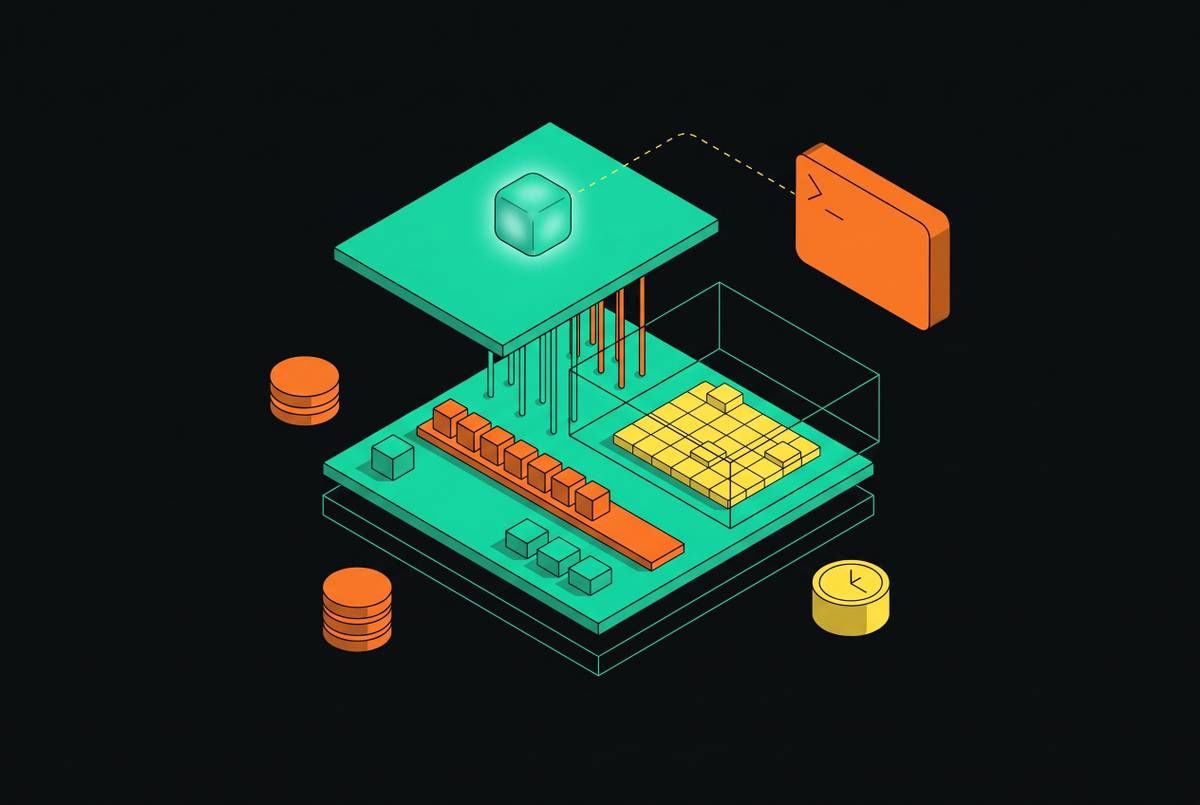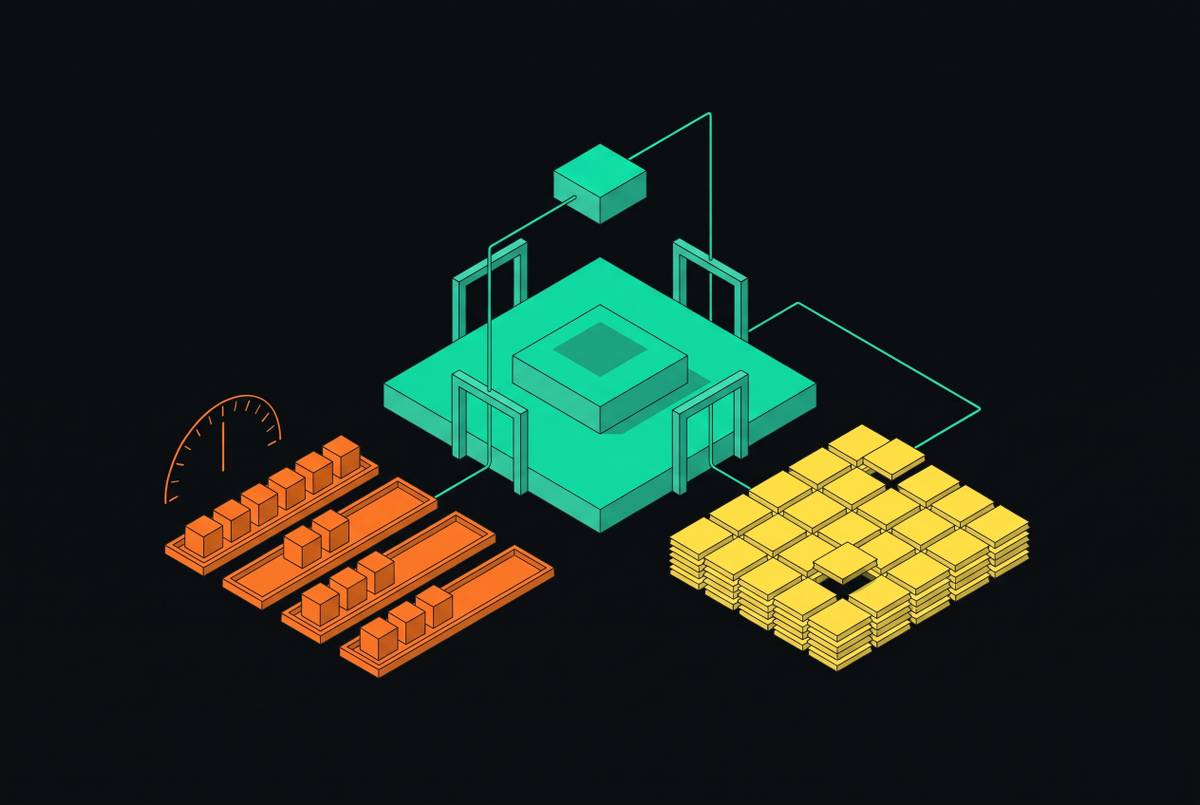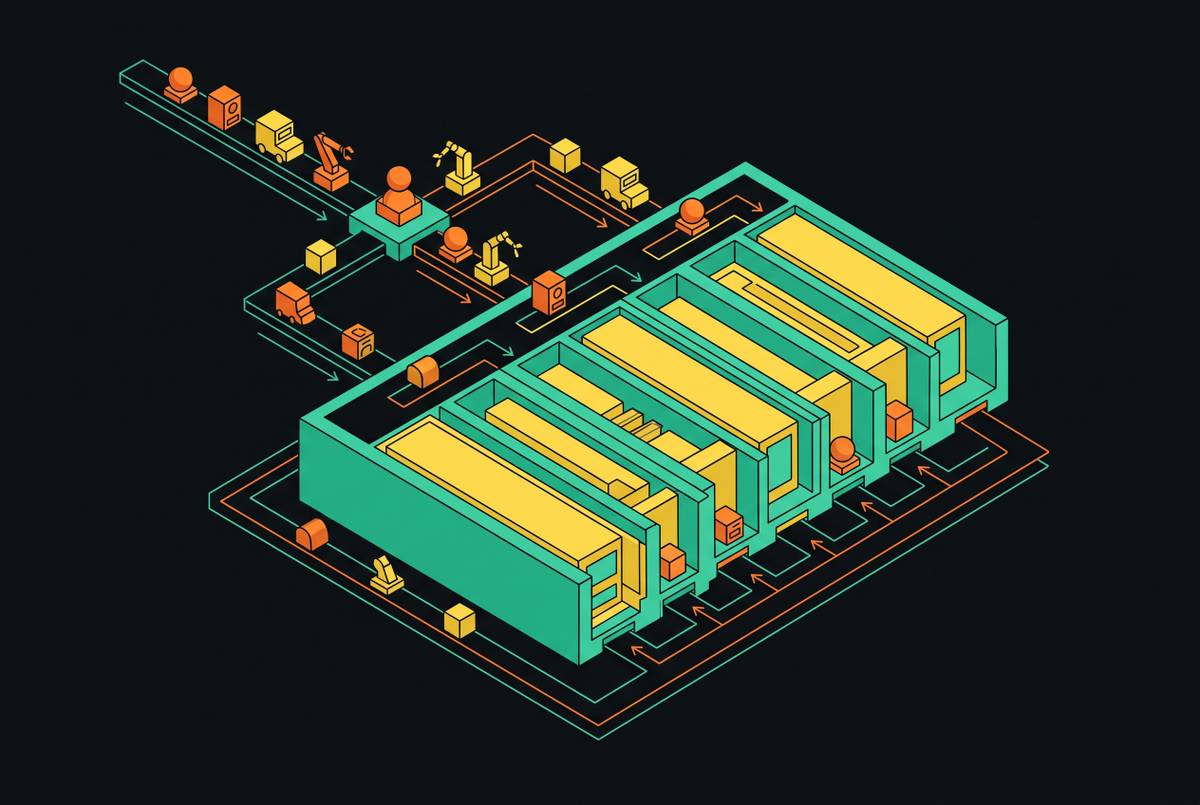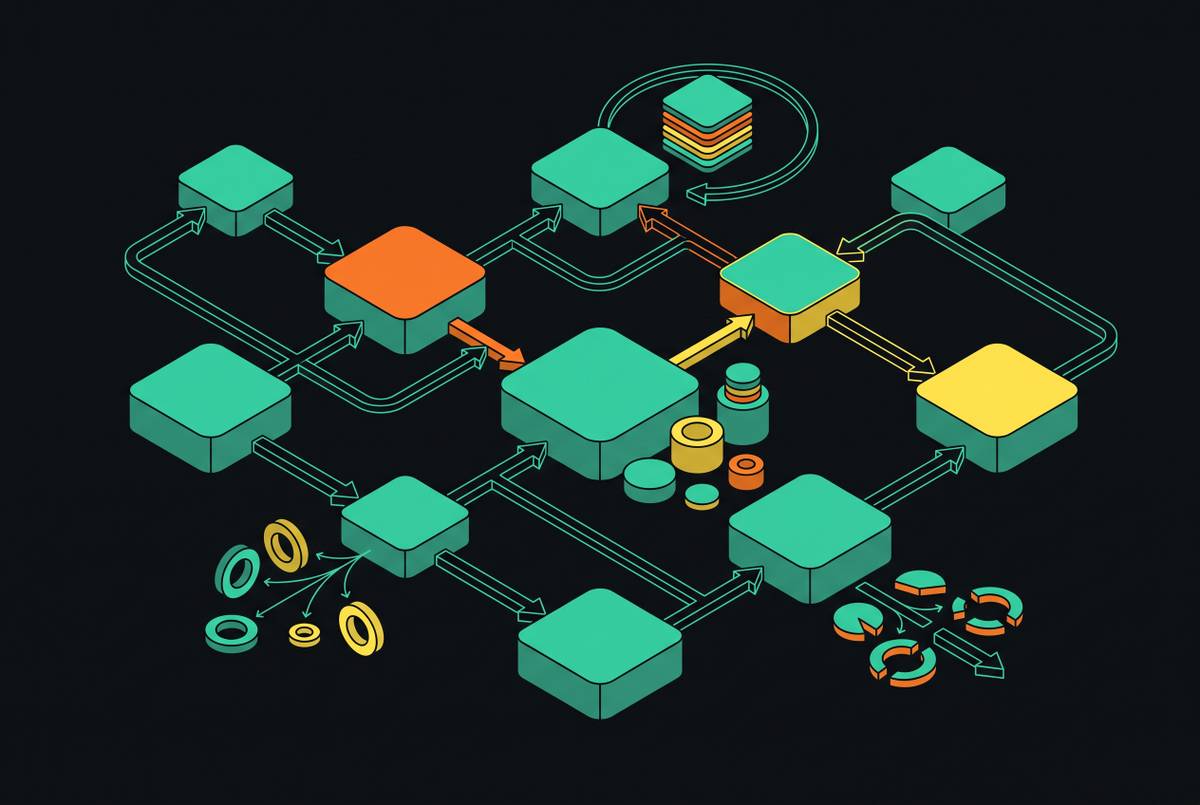
Orchestration Topology for Thousands of Concurrent Schedule-Triggered Agents
Reliable agent fleets need queues, state ownership, and priority lanes.
Priya Subramaniam
Section
16 stories in Agent Runtime Internals.
Reliable agent fleets need queues, state ownership, and priority lanes.
Kernel enforcement and isolation are non-negotiable for containing autonomous agents.
How kernels enforce scheduling and memory as mandatory resource controls for agents.
Framework internals reveal whether persistence was architected or bolted on.
A shared runtime keeps agent fleets from failing in unison.
Building stateful agent systems requires runtime ownership of persistence and scheduling.
Bigger windows won't fix agent drift; governance has to live in the runtime.
How to build a shared context layer that keeps multiple agents aligned.
Persistent agent memory across sessions separates true automation from stateless chatbots.
GPU schedulers must treat multi-step agent workflows as single units, not isolated requests.
Explicit state machines make agent behavior auditable and predictable.
Memory management, not reasoning capability, determines whether production agents actually scale.
Agents run code nobody vetted, so shared kernels are not enough.
Models forget everything, so the runtime must decide what to remember.
Borrowing OS scheduling primitives cut multi-agent failure rates sharply.
Five agent loop designs, and which problems each one fits.